























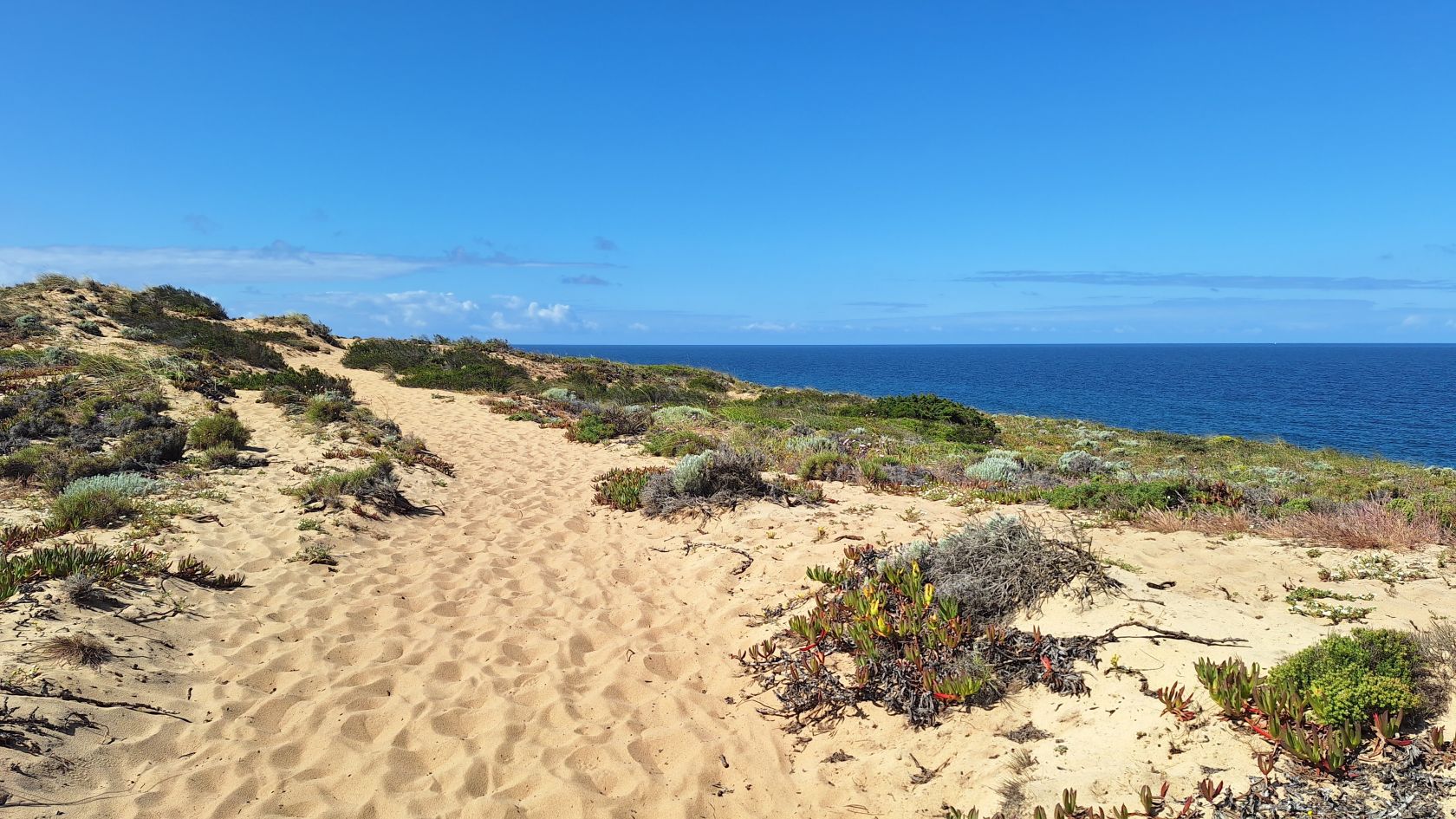
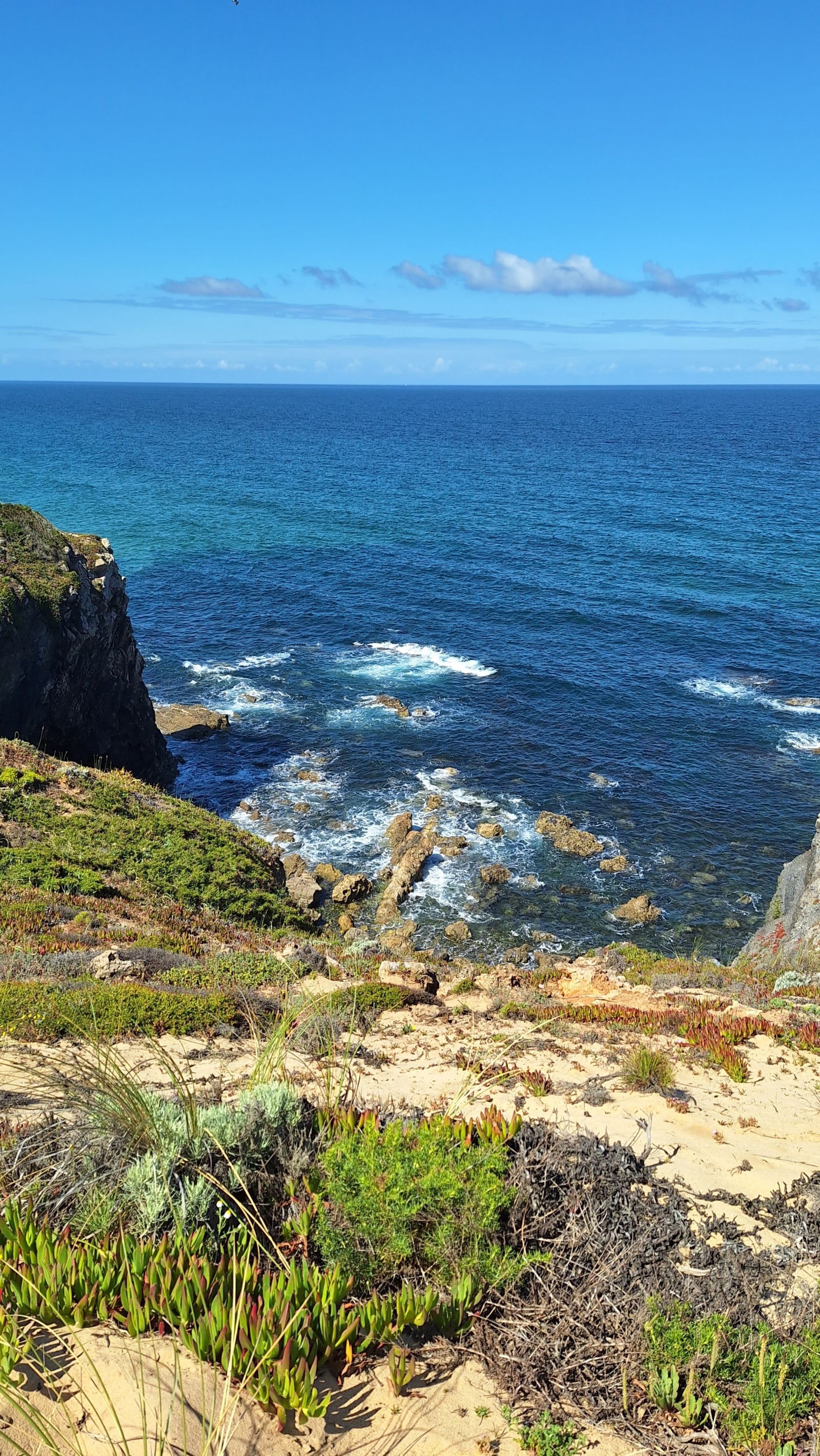
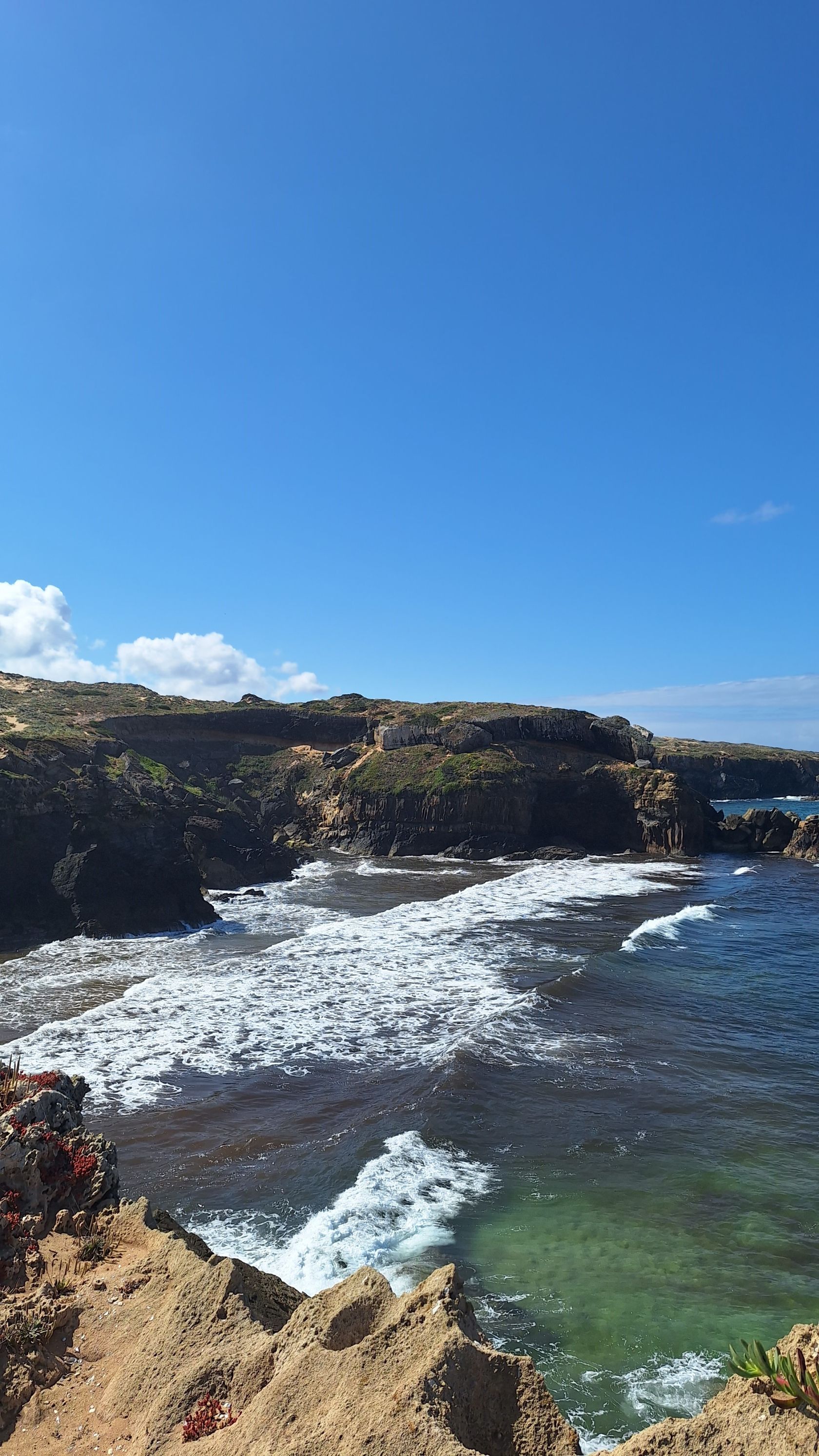
The Southwest Alentejo and Vicentine Coast Natural Park (PNSACV), which lies between São Torpes and Burgau, is the last wild coast of Europe. The 110 km extension comprises some of the most outstanding beaches of Portugal, endemic fauna with medicinal functions, unique geological features and singular pedestrian trails.
The greatest way to learn more about the Natural Park is to take one of Larissa Ohl's “Hike in Alentejo” informative and guided tours – a perfect outdoors stress-free experience for the whole family. The marine biologist academic has spent the last years of her life studying the medicinal properties of the plants found along the Vicentine Coast and the natural features of the region.
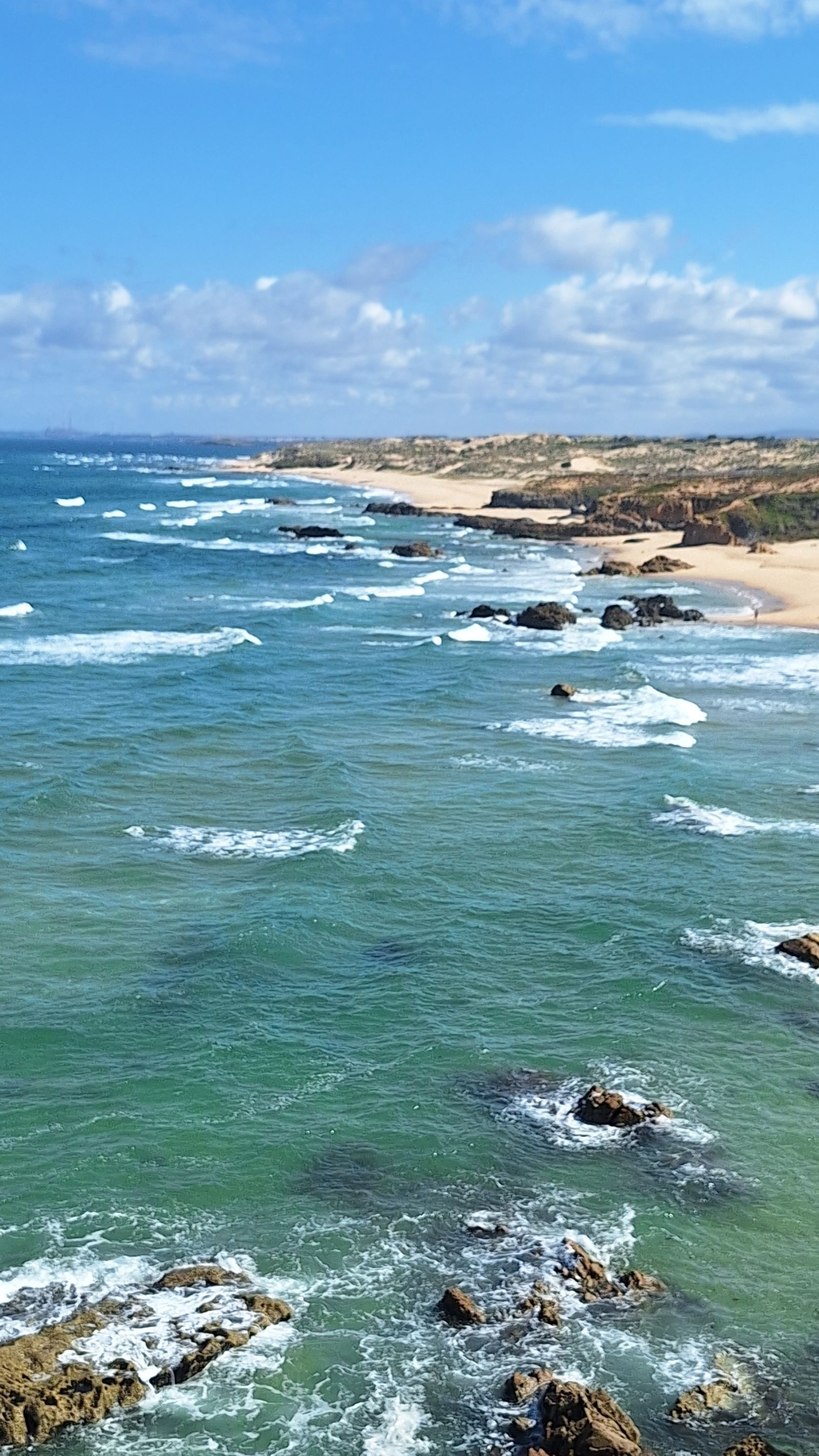
The exciting tour ‘In the Footprints of the European Elephant’ started at Malhão Beach, about 7 kilometres away from Vila Nova de Milfontes. Malhão is known to many for being a surfers’ haven, but its uniqueness lies in its majestic landscape surrounded by vast dunes. Just a few hundred meters into the tour you are already amazed by the environment and how wild and intact it still is.
Geological Features
One of the first findings of the walking tour, which the Vicentine Coast expert highlighted, was present in a rock at the bottom of the cliffs. The unusual rock surface resembles what seems like fossilised footprints, and the reality is that it is actually the footprints of an elephant species that lived in this region about 35,000 years ago. Larissa asserts that we must imagine that the dunes on which we are currently walking were once home to exotic creatures like these elephants - Elephas antiques - which demonstrate the profound changes in the region’s flora and fauna over the ages.
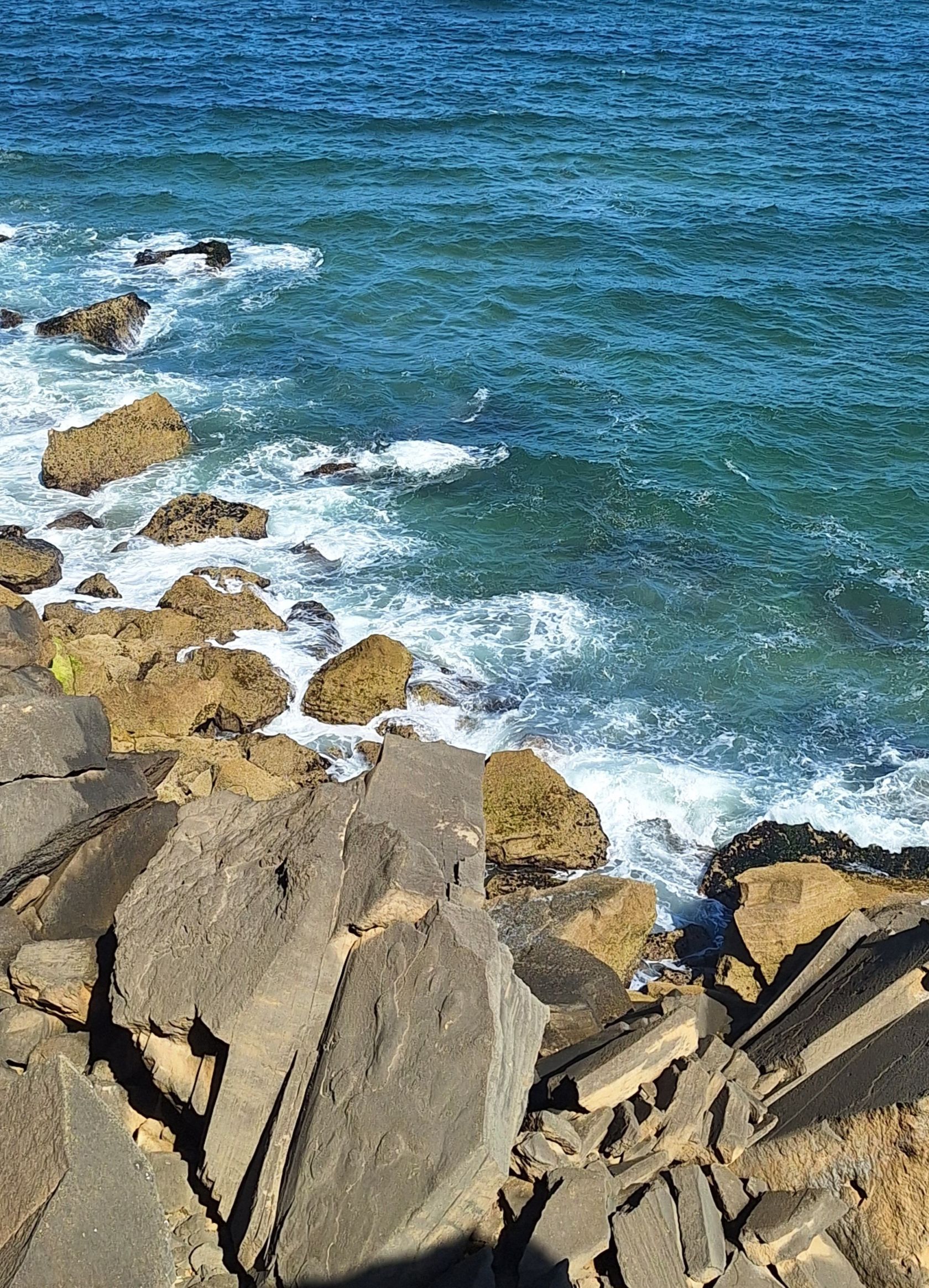
Following the trail, you can see the various geologic features of the region, such as the various rock layers that correspond to different eras and a few large rocks that stand out from the others and are arranged separately on top of the fossilised dunes, leaving you to wonder how they got there. Fortunately, Larissa is knowledgeable enough to clarify that those rocks ended up there as a result of the major earthquake and tsunami that struck Lisbon back in 1755.
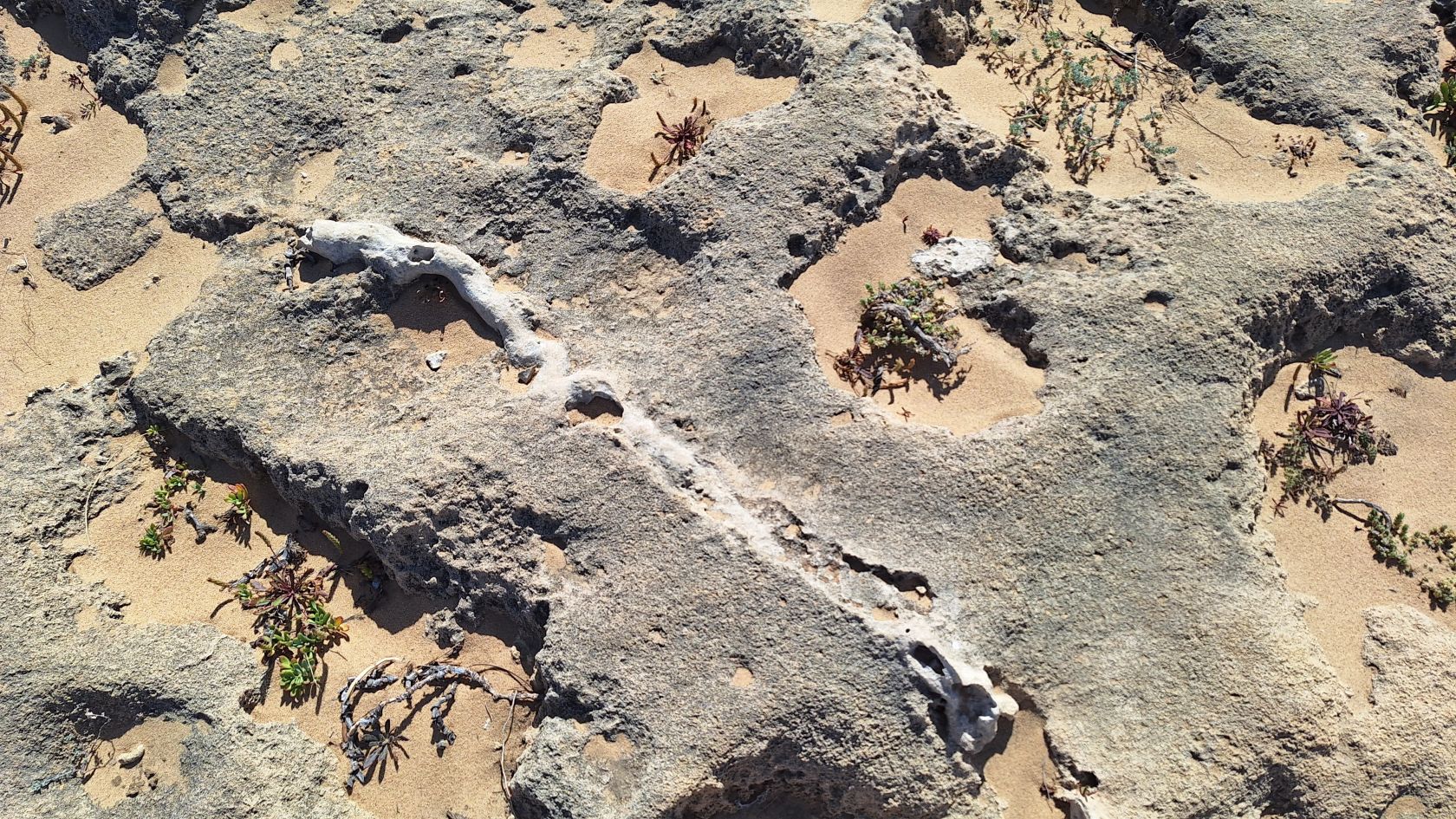
Throughout the journey, Larissa also shared the history of the "Concheiros do Paleolitico," the earliest nomadic settlements that relied on seafood for their subsistence. Seashell fossils have been discovered along the dunes between Malhão and Vila Nova de Milfontes providing evidence of these "concheiros". Moreover, there are also unusual salient features on the rugged path – with a distinct shape and colour - which she later on explained as being tree root fossils.
Medicinal and Aromatic Plants
The path we were following is a portion of the "Fisherman's Trail," one of Rota Vicentina's hiking routes. Hikers from all over the world travel to this location to enjoy its uniqueness and to walk numerous kilometres while maintaining a close connection to the natural world. While there are a few invasive species in the environment, there is also a large amount of native flora that is not only attractive to look at but also useful for a variety of culinary and medicinal uses.
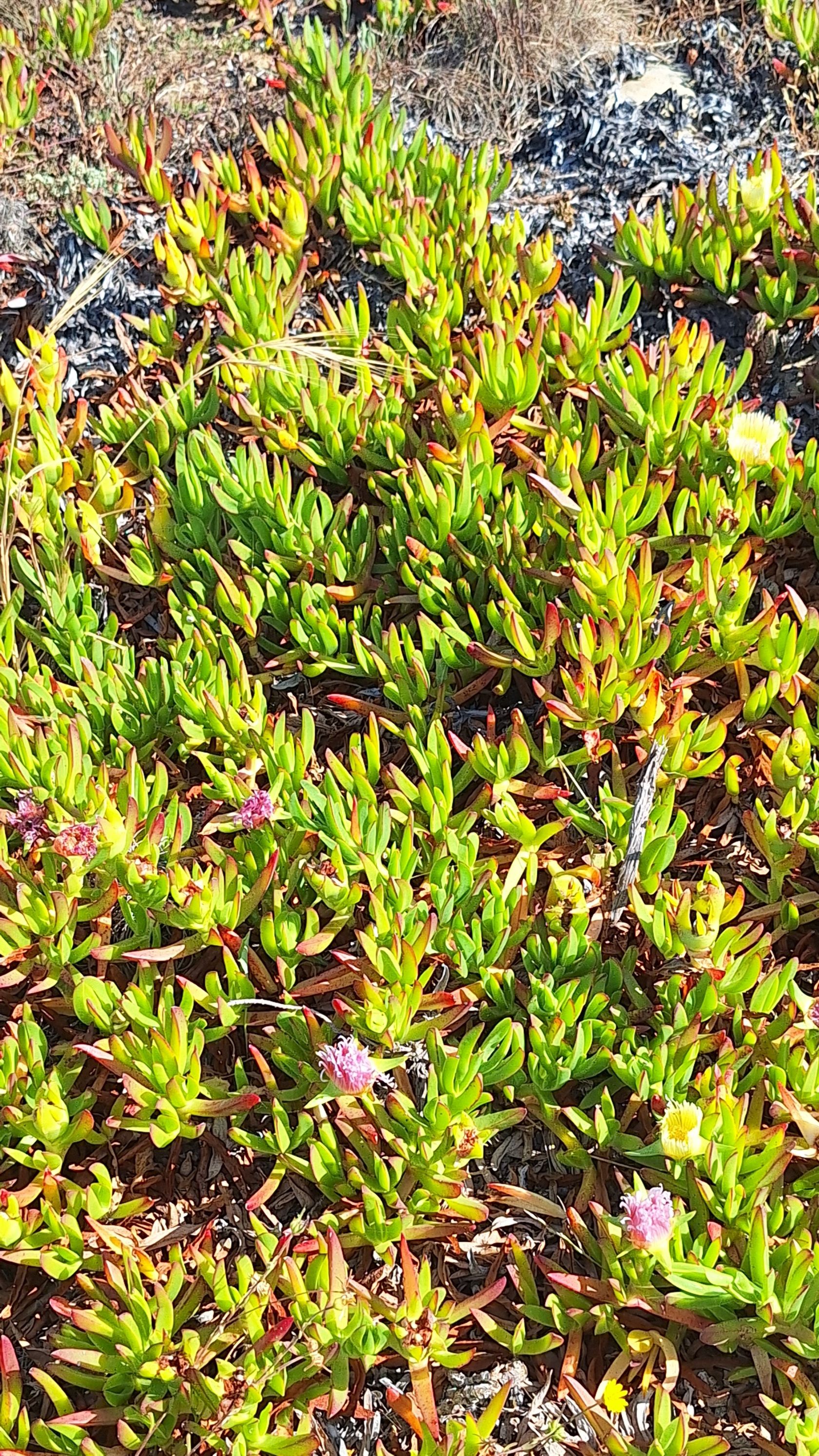
One of the most well-known is Chorão da Praia (Sour Fig) which despite being an invasive species – not great for the area’s own species - does have medicinal qualities. If you break off its leaves, it resembles aloe vera, and the oil it produces may be used to treat burns and mosquito bites and its blossom is edible in the summer. The Mediterranean plant known as Planta do Caril (Curry Plant) which can also be found in the dunes of the Natural Park tastes a lot like curry and is excellent for making teas and essential oils.
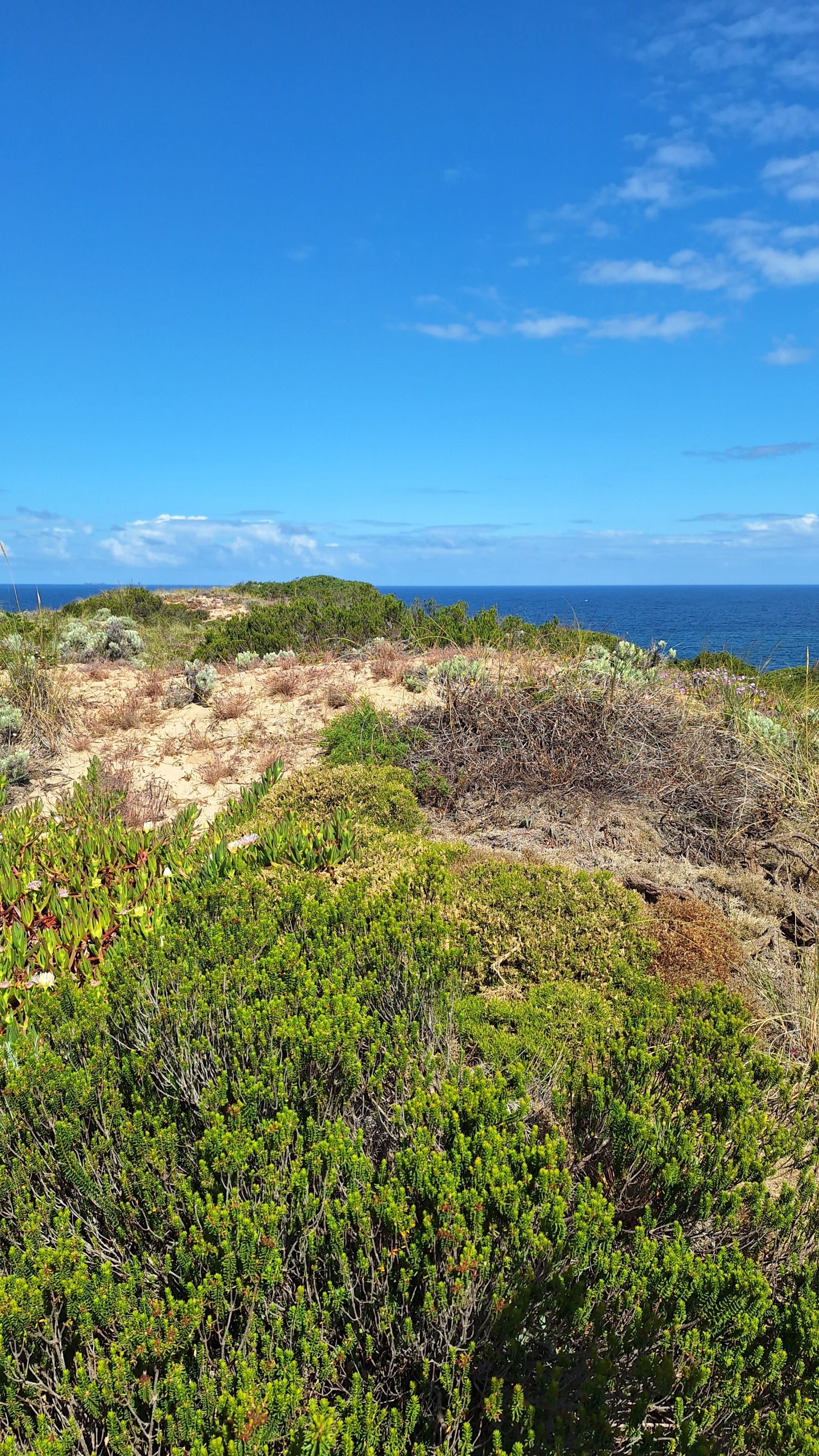
The Camarinha, referred to as the Portuguese Crowberry in other countries, produces tiny, white berries that are both tasty and nutritious. You may use them in cooking and jam-making, and years ago they were also sold as a snack at the beach. Another plant that grows in the dunes of the Vicentine Coast and which you can spot is Tomilho (Thyme) which is good for making teas for cough issues and has antiseptic properties great for skin and heart conditions.
Costa Vicentina Fauna
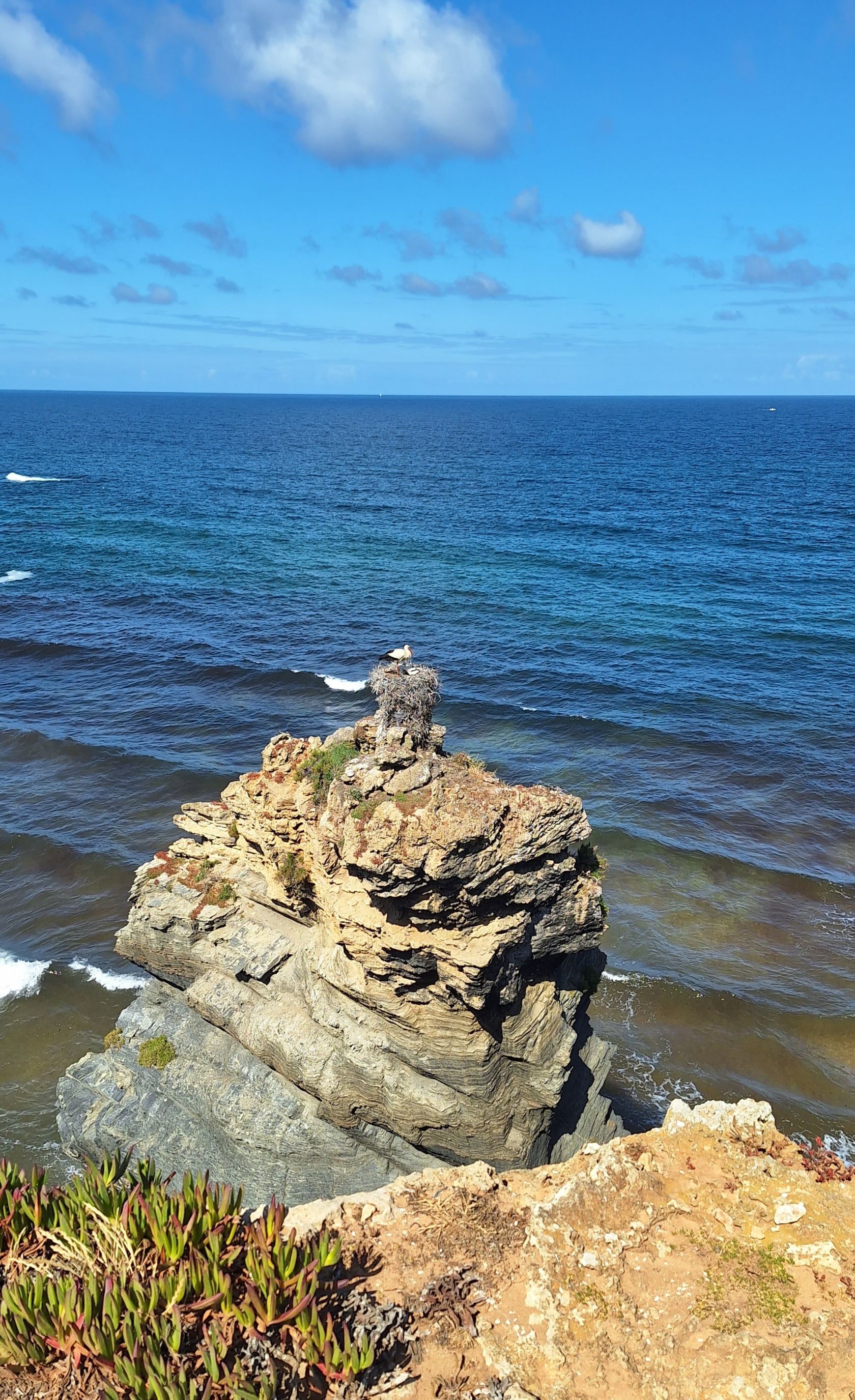
A curious fact about the Vicentine Coast is that it’s the only place in the world where the White Stork (Ciconia ciconia) lays nests on rocky cliffs exposed to severe weather conditions, breaking certain natural guidelines. In addition, other fascinating species travel these pathways and sky despite being a little shy. If you're lucky, you may also spot foxes, otters, Rock Doves, Ospreys, and the Peregrine Falcon, the fastest rapine bird in the world.
The Vicentine Coast expert is able to do educational and guided tours for groups of up to 12 people in three languages: Portuguese, English, and German. From kids to senior citizens, from interior trails to seaside ones (or a mix of both), and for every physical condition - from 7 to 16,5 kilometres - there are options for everyone and every taste.
Larissa’s ‘Hike in Alentejo’ offers 12 tours – 6 guided tours and 6 informative tours – which will make you, if you haven’t already, fully embrace what the Southwest Alentejo and Vicentine Coast Natural Park has to offer.
Website: https://hikeinalentejo.com/
Email: larissa.ohl@web.de
Instagram: @hikeinalentejo