























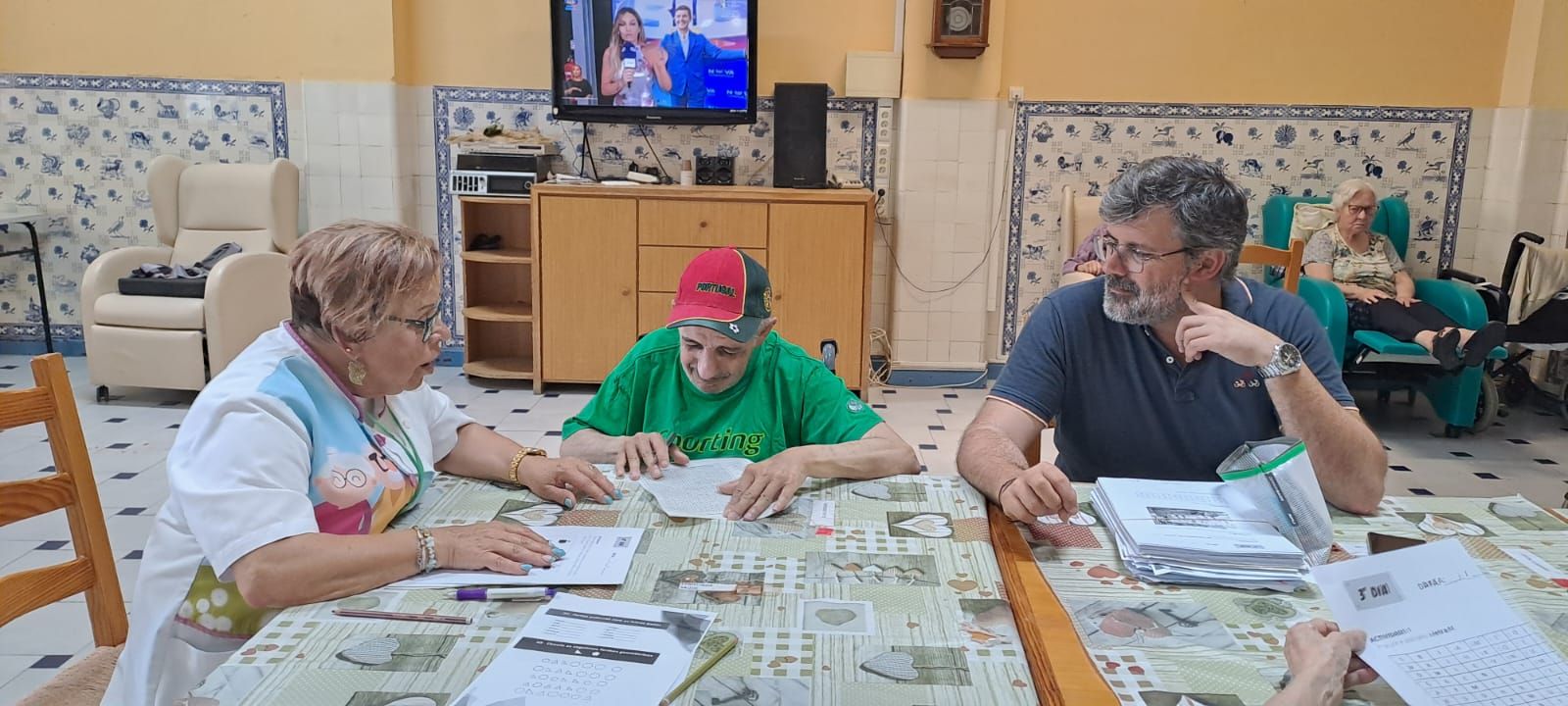
In the Algarve, access to mental health care remains limited. Fewer than 15 psychologists serve every 100,000 people in the region, alongside just 5.1 psychiatrists. At the same time, the district of Faro counts more than 3,000 elderly people living in isolation in a region marked by ageing demographics and elevated risk of poverty.
It was within this context that Health Space 360º Algarve (Espaço Saúde 360º Algarve) was created. Launched in 2020 by the Health in Dialogue Platform, the project was designed to address gaps in health literacy and well-being among vulnerable residents aged 65 and over, particularly those with lower levels of education and socioeconomic disadvantage. “Our purpose was to contribute to the health literacy and well-being of the vulnerable local population,” explains Senior Project Manager Ricardo Valente Santos. “The project aims to grant access to mental health care, namely in places that are very isolated and with a lack of adequate social responses.”
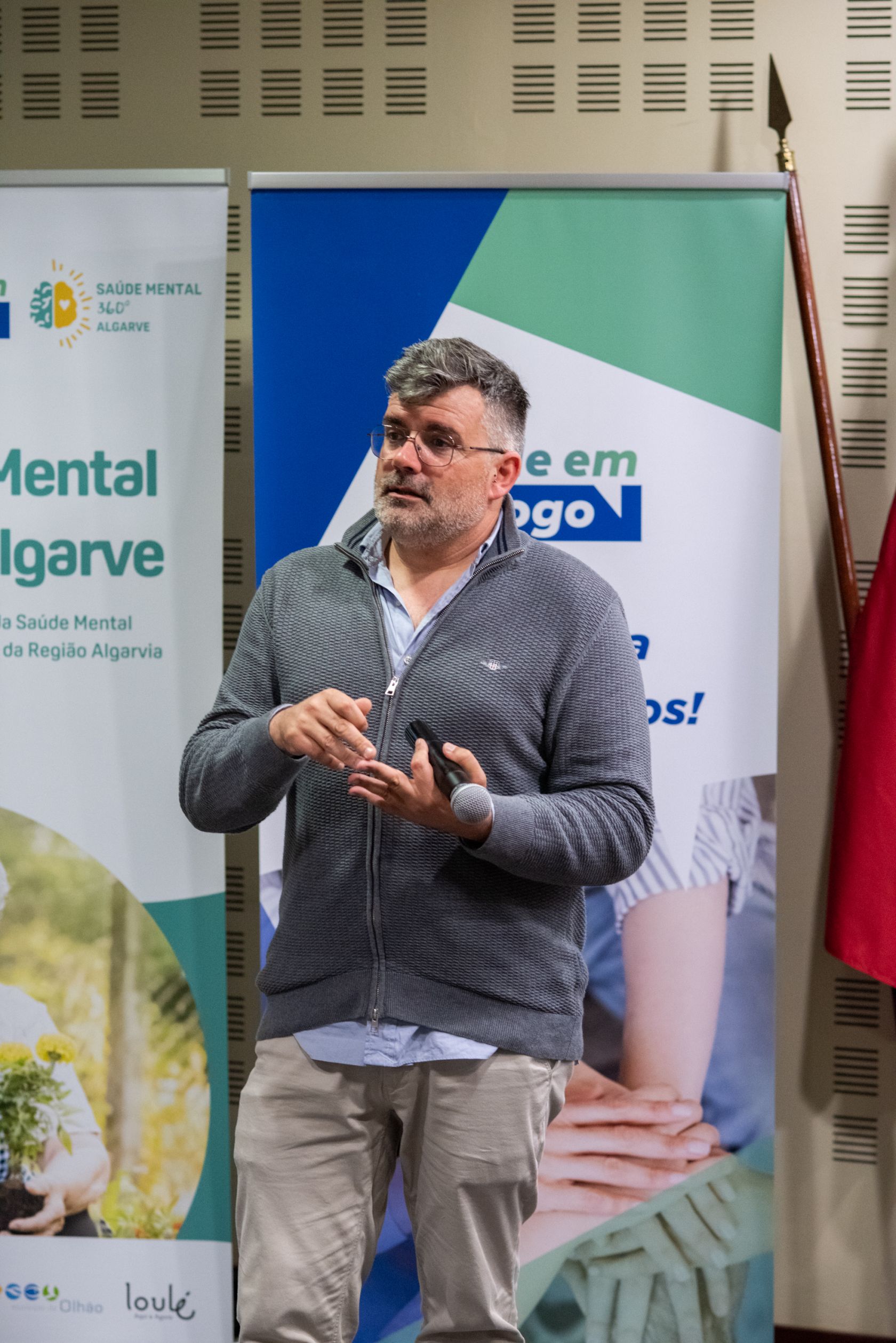
Care Beyond the Clinics
The programme is grounded in the social prescription model. Rather than focusing exclusively on clinical treatment, it connects participants to community-based activities designed to improve overall quality of life. “The project activities are divided into four axes of intervention,” Santos explains. These include health promotion and illness prevention; mental health promotion; navigation and referral within the health system; and chronic illness management.
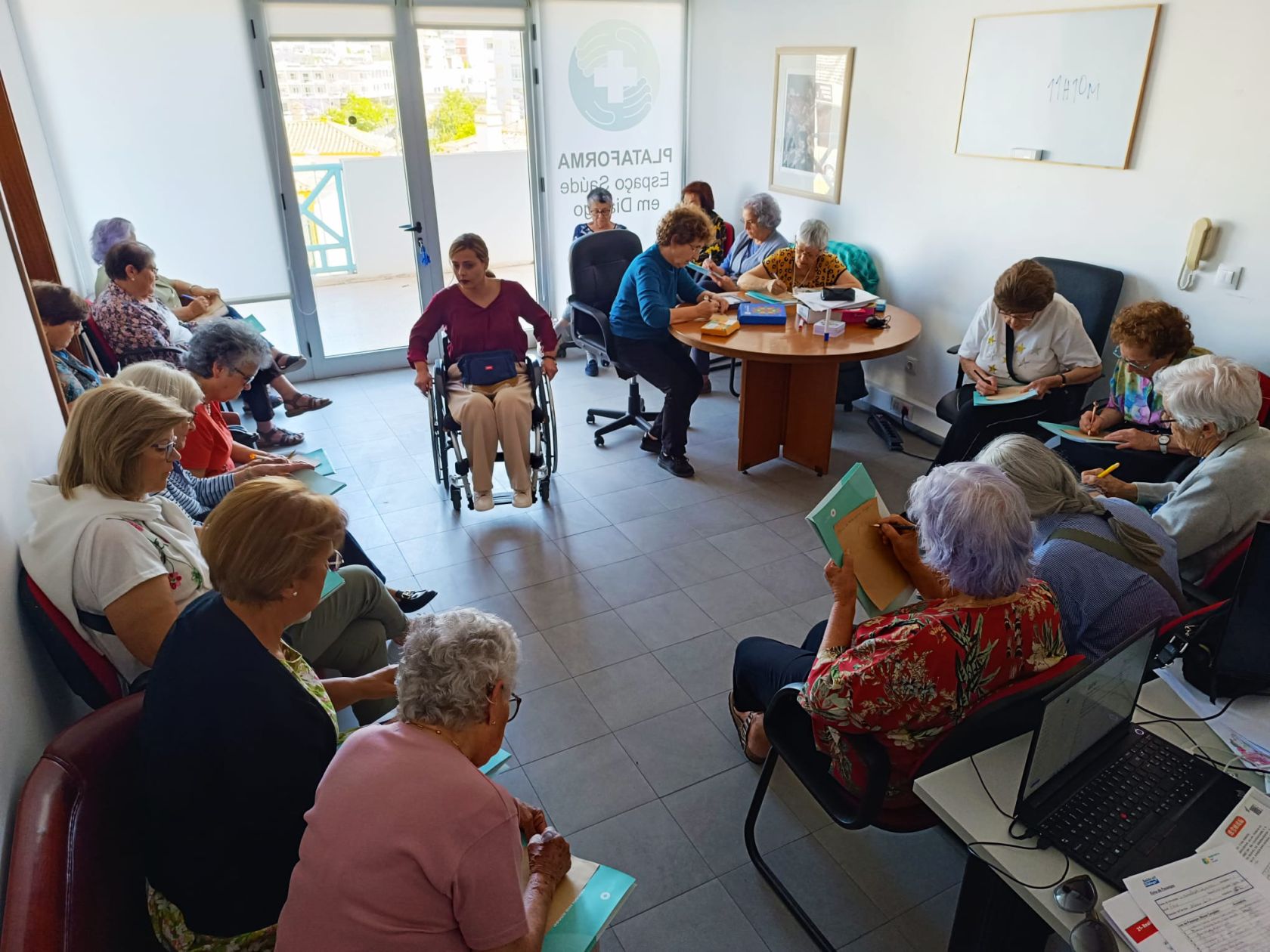
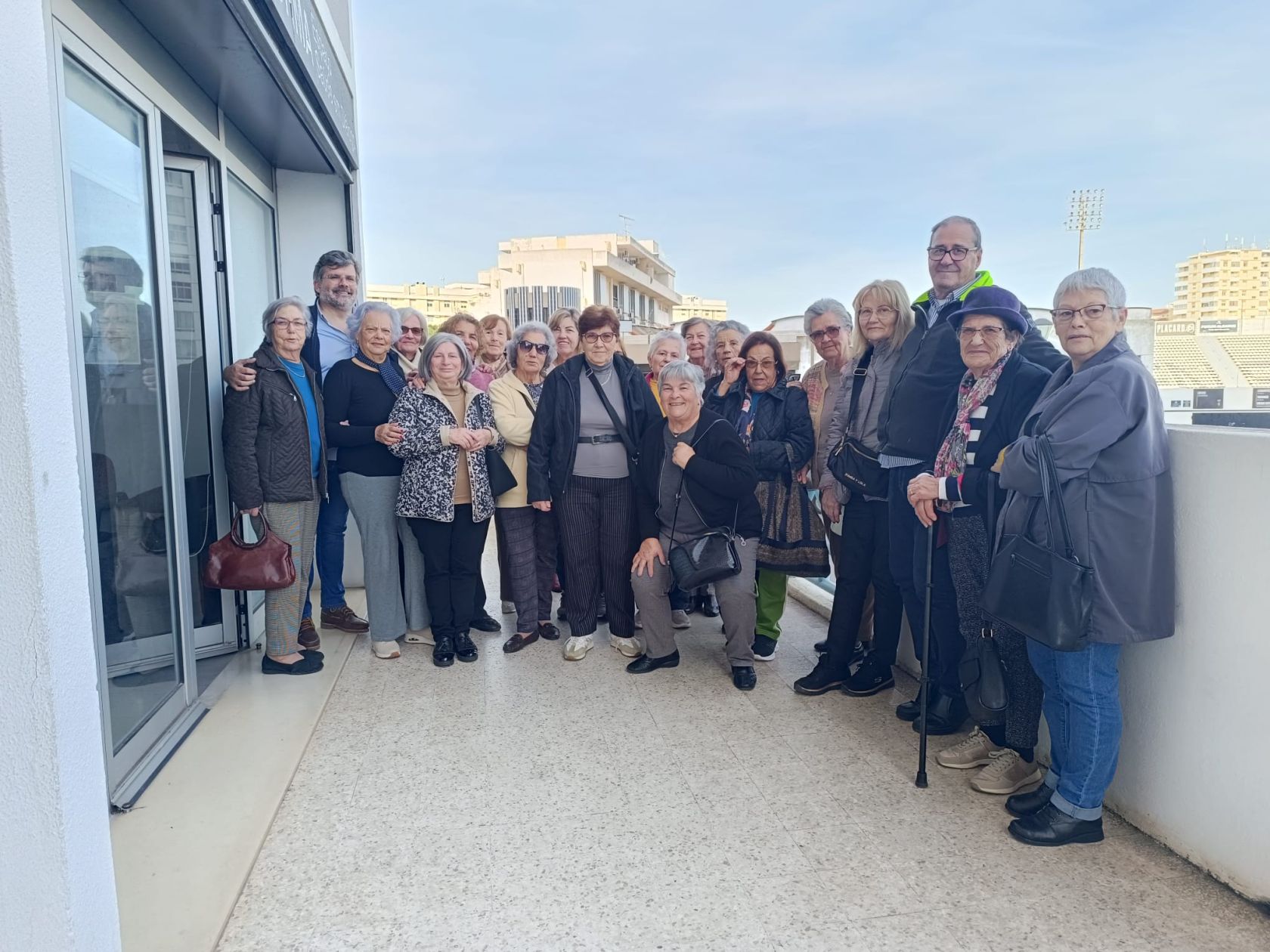
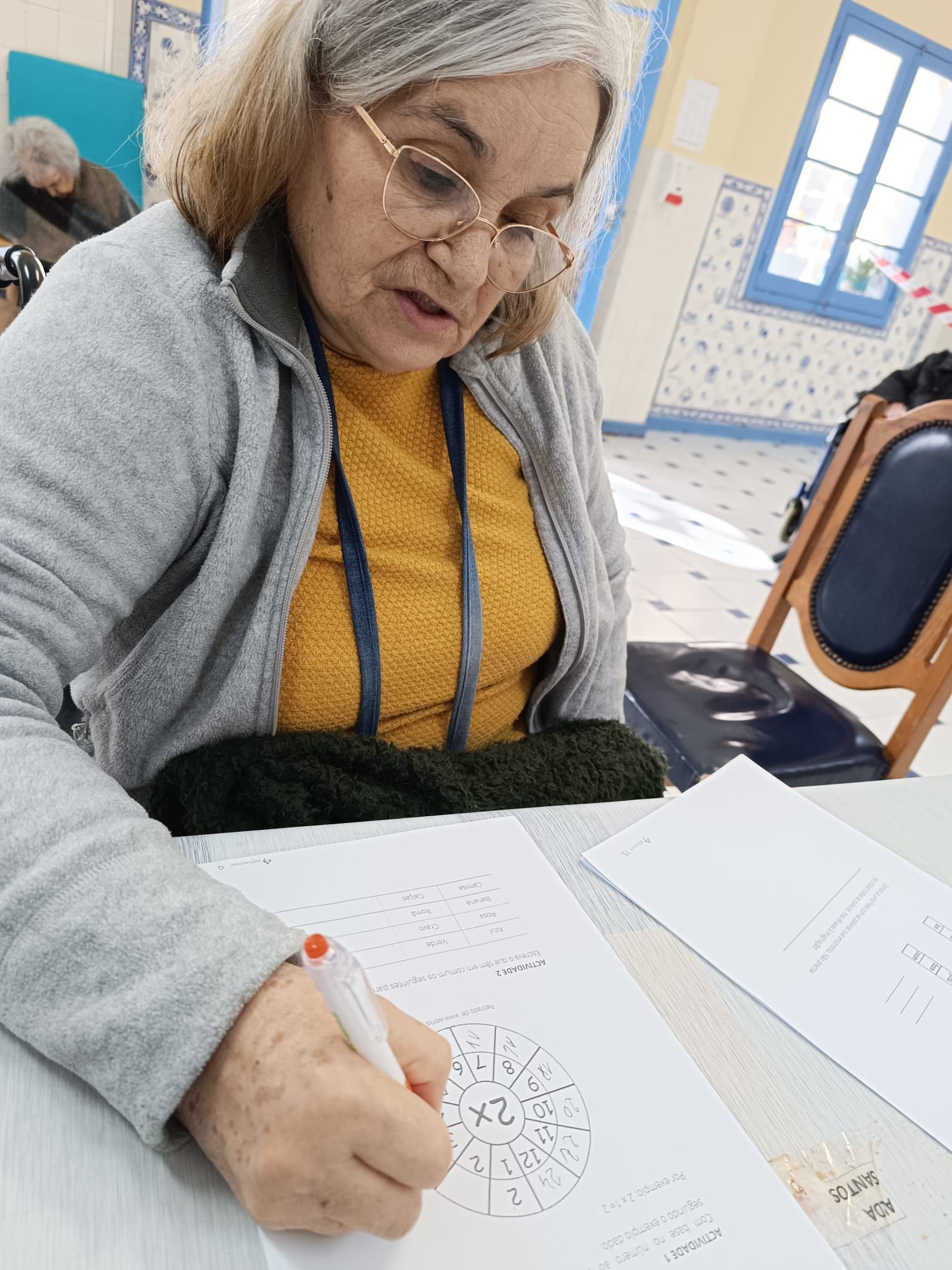
In practice, this translates into nutrition workshops, adapted yoga sessions and public talks about health, alongside individual psychology appointments, cognitive stimulation sessions and socioemotional competence training. Participants can also receive one-to-one support navigating the health system, attend meetings with patient associations and access a medicine use review service delivered with the support of local pharmacies.
These activities take place in more than 30 institutions across the region, supported by freelance professionals, including nutritionists and physical education teachers. The programme accepts participants through direct contact as well as referrals from healthcare professionals and partner institutions, reinforcing its role as a bridge between community support and formal health services.
The Impact So Far
The first phase of the project ran until 2023 and involved 780 participants. According to the organisation, all participants gained between 5 and 10 percent on the WHOQOL-BREF, a World Health Organisation quality-of-life scale. “The first phase of the project revealed very positive results,” Santos notes. “Participants who stayed in the project for 24 months or more revealed improvements in the four domains of quality of life defined by WHO.” Those domains include physical health, psychological well-being, social relationships and environment.
In April 2025, the second phase was launched under the Portugal 2030 framework. “This time, the project aims to continue to promote health literacy and quality of life in the vulnerable Algarve population, but with more focus on their mental health and well-being,” Santos explains. The current phase supports 583 participants across six municipalities: Faro, Olhão, Loulé, Monchique, Tavira and São Brás de Alportel.
Built on Evidence
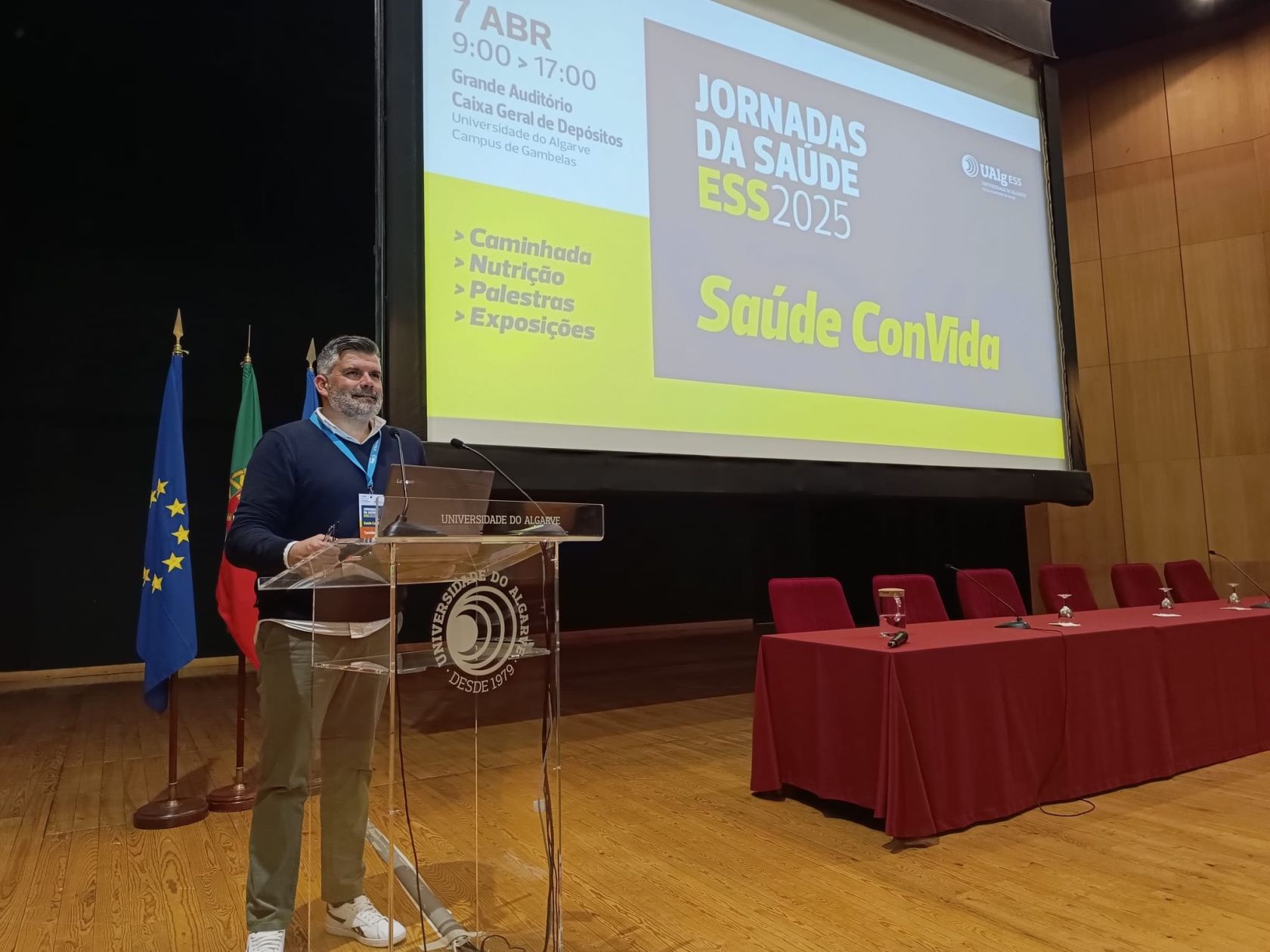
From the beginning of each participant’s journey, progress is measured using structured tools. “Our team of psychologists applies the Warwick-Edinburgh Mental Well-Being Scale and the Health Literacy Survey. Every six months, the team re-evaluates the patients to closely monitor their progress and, when needed, adapt the treatment,” Santos explains. At the end of each phase, the National School of Public Health at NOVA University analyses the data. “At the end of the project, the National School of Public Health treats the data sent by the team and does an impact study to measure the true impact of the entire project,” he says. Alongside formal measurement, the team maintains regular conversations with participants in informal settings to better understand their experience of the programme and its effects on their daily lives.
Working Within the System
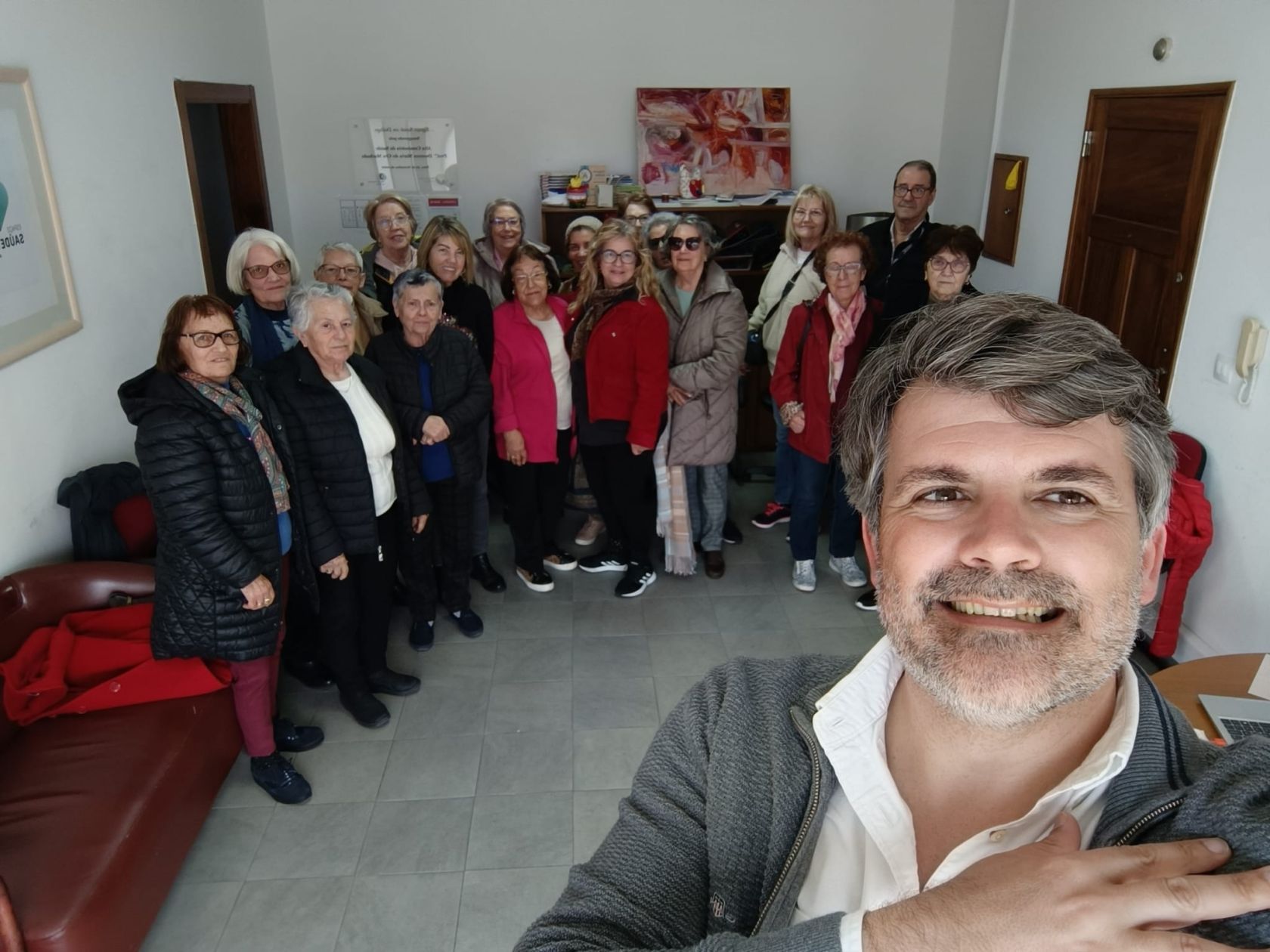
Participants can enter the programme through private contact via the organisation’s website and email, or through referrals from healthcare professionals and partner institutions. The project maintains consistent contact with public health authorities, not only through referrals but also through its “Sessões Saúde em Dia” sessions. These public meetings aim to simplify health concerns and bureaucratic processes, often featuring representatives from institutions such as the Algarve Local Health Unit (ULS do Algarve) and INFARMED, Portugal’s National Authority of Medicines and Health Products, as well as professional associations. “We keep consistent contact with public health authorities,” Santos explains, emphasising the two-way referral system between the project and the broader health system. He describes the programme as complementary rather than substitutive, designed to strengthen access rather than replace existing services.
Looking Beyond 2028
The current phase is expected to run until March 2028. However, the ambition extends beyond that date. “Health in Dialogue Platform’s goal is to continue to expand and to help more vulnerable people,” Santos says. In a region where specialist mental health resources remain scarce and social isolation continues to affect older residents, the programme extends support beyond clinical settings and into community spaces. It does not replace the public health system, but forms part of a broader effort to widen access to care within the Algarve’s existing health network. As long as regional mental health resources remain scarce, community-based programmes such as Health Space 360º Algarve continue providing structured support within the communities they serve.
Contact Information
Ricardo Valente Santos, Senior Project Manager at Health Space 360 Algarve
E-mail: rjusto@wlpartners.pt
Phone number: 351 968 941 696