























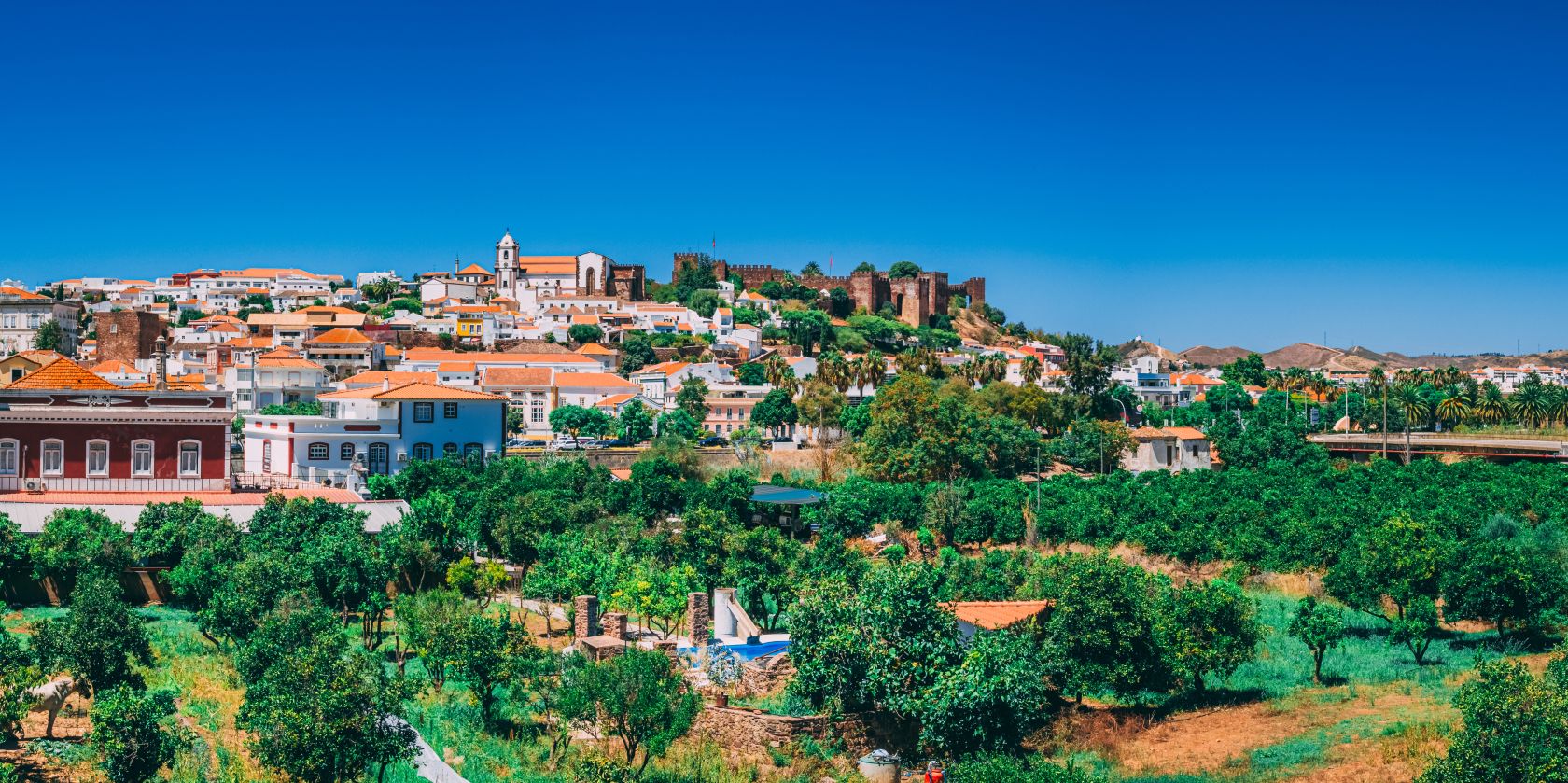
More than a monument, it is a sandstone scar on the landscape, guarding the memories of a civilisation that once made this city the intellectual centre of the Iberian Peninsula.
Visiting Silves is a journey through history, where Islamic military architecture reached its peak in Portugal.
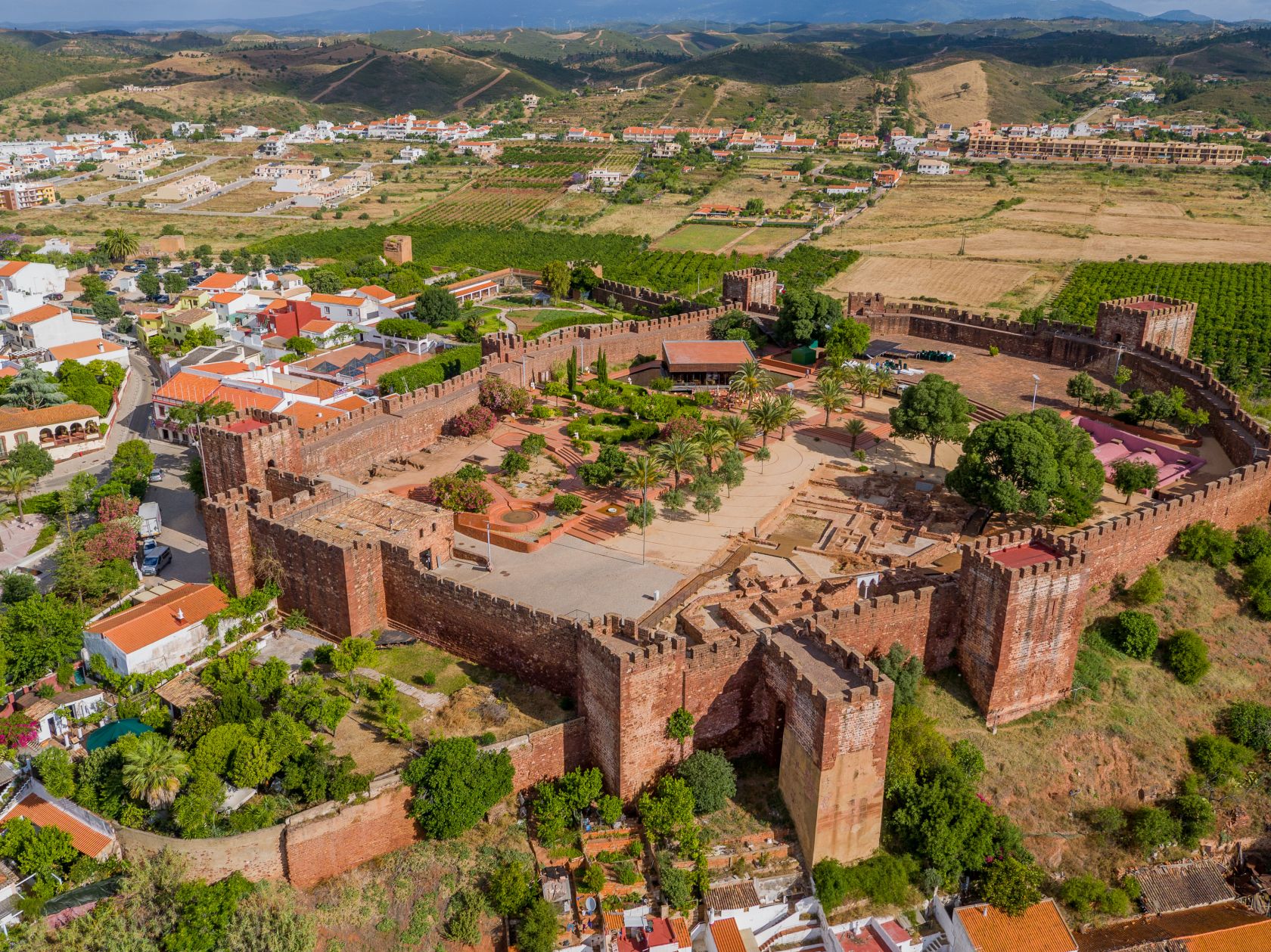
Walking the narrow rampart atop the walls, you sense this bastion’s strategic importance. Its deep red colour, from local stone, gives the fortress an organic feel. In 1189, besieged by King Sancho I and European Crusaders, Silves endured six weeks of fierce fighting before surrendering, a pivotal clash that shaped the region’s identity.
Despite the Christian victory in 1242, Silves still carries a Moorish spirit. The Cistern of the Moura, a feat of engineering with vaults that sustained the city in wartime, stands out. Here, the Legend of the Enchanted Moorish endures. The legend tells of a Moorish princess, imprisoned by a spell, who is said to emerge on St. John’s nights, singing and awaiting a Christian prince to help her find her freedom.
These folk tales surrounding Silves show the true mark that the passage of Islamic culture left on this beautiful Algarvian town.
Today, the castle is a true historical gem marked by its contrast of history and peace. After reflecting on the past, visitors now find storks nesting atop towers once marred by conflict, while enjoying panoramic views from the orange groves of the Arade valley to the Monchique mountains. Silves reminds us that beneath the Algarve’s surface is a legacy of poets, warriors, and princesses, awaiting discovery.
Insider Tips to visit
Next to the castle stands the Sé Cathedral, built on the site of a former mosque. As one of the few Gothic structures in the Algarve, it features a white limestone facade that contrasts beautifully with the red sandstone details, echoing the castle’s material.
The Municipal Archaeology Museum, sometimes overlooked by visitors, is built around an 11th-century Almohad well-cistern discovered in the 1980s. Descending the spiral staircase offers a close view of the Islamic engineering that enabled the city to withstand sieges.
Silves stands out for two gastronomic treasures: local oranges, prized for their flavour due to the microclimate, and fresh seafood. Visitors can enjoy a fresh juice on the terrace at Town Hall Square (Praça do Município), or visit “O Monchiqueiro” and “Marisqueira Rui” for authentic local dining.
For a different perspective, travellers should try arriving in Silves by boat along the Arade River from Portimão. This is the route ancient merchants and warriors once took, allowing modern people to see the battlements rise on the horizon in an epic fashion.
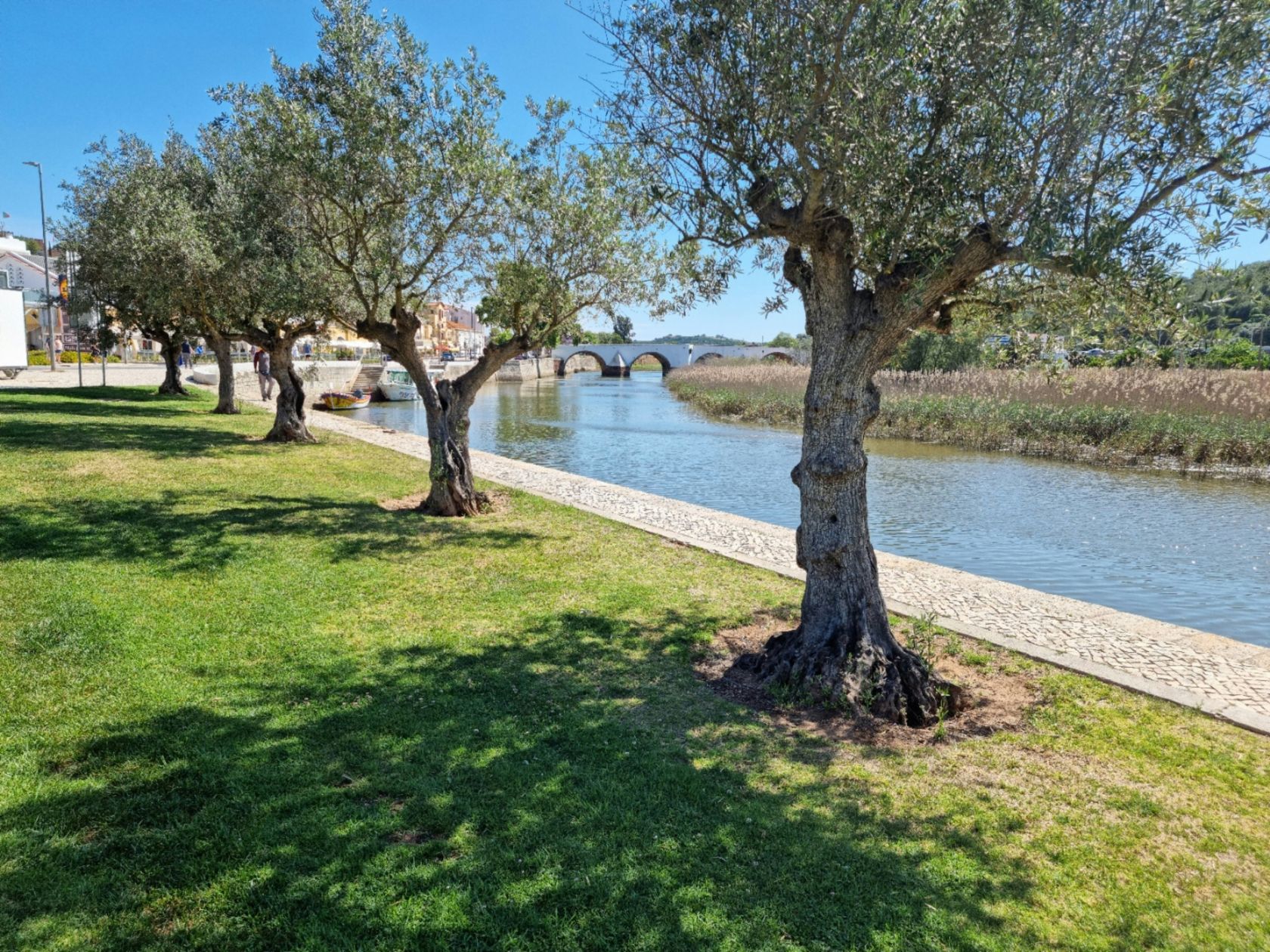
As for logistics, parking near the castle is not advised due to extremely narrow streets. Parking by the river and walking up through stairs adorned with tiles and flowers offers a more pleasant approach.
At the ticket office, a joint pass that includes admission to the Archaeology Museum is available, saving a few Euros and providing a more comprehensive perspective on the city’s history.